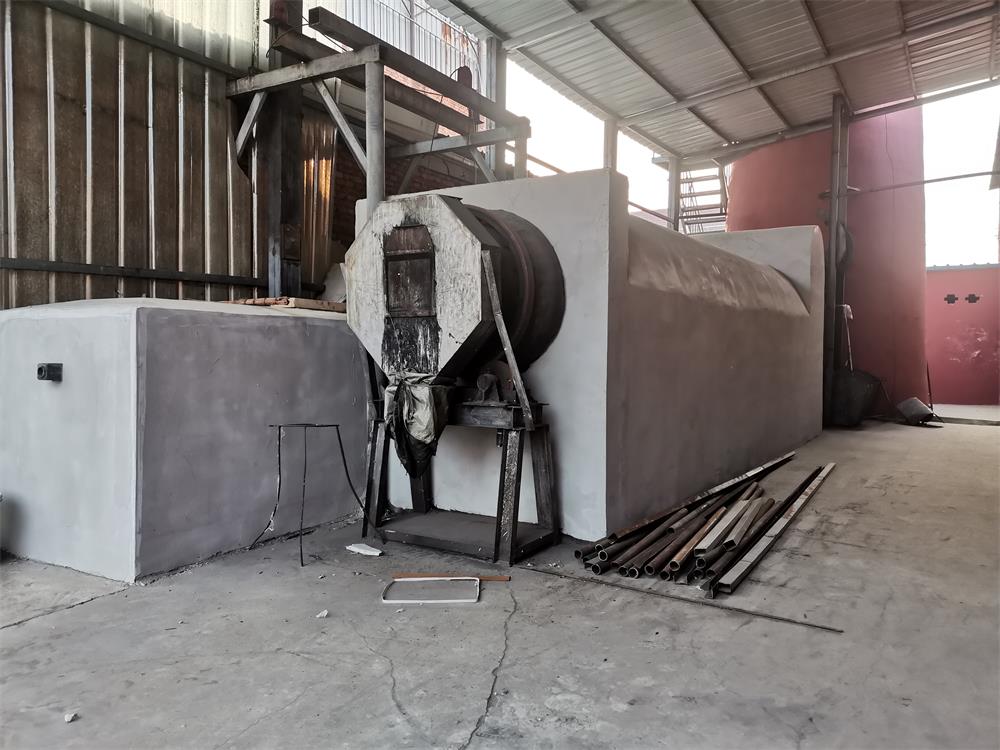
In today's world, where sustainable energy sources are becoming increasingly important, wood briquettes and their carbonization process are gaining attention. Let's explore what the carbonization of wood briquettes entails and why it matters.
What Are Wood Briquettes?
Wood briquettes are a compressed form of biomass fuel made from waste wood materials such as sawdust, shavings, and wood chips. They are a popular alternative to traditional firewood as they are more convenient to store, handle, and burn.
The Carbonization Process Explained
Carbonization of wood briquettes is a thermal decomposition process that transforms the wood into a more stable and energy-dense form. Here's how it works:
Drying: Before carbonization, the wood briquettes need to be dried to reduce their moisture content. This is typically done by air drying or using a drying oven. Moisture in the wood can affect the carbonization process and reduce the quality of the final product.
Heating: The dried wood briquettes are then placed in a carbonization chamber or kiln. The chamber is heated to a high temperature, usually between 400 and 800 degrees Celsius. The heat causes the wood to decompose and release volatile compounds such as water vapor, methane, and carbon dioxide.
Pyrolysis: As the temperature rises, a process called pyrolysis occurs. Pyrolysis is the chemical decomposition of organic materials by heat in the absence of oxygen. During pyrolysis, the wood breaks down into three main components: solid carbon (char), liquid tar, and gaseous products.
Carbonization: The solid carbon left after pyrolysis is further heated and transformed into a more stable form of carbon. This process is called carbonization. The carbonized wood briquettes have a higher energy content, lower moisture content, and better combustion properties than the original wood briquettes.
Cooling and Packaging: After carbonization, the wood briquettes are cooled down and packaged for storage and transportation. The cooled briquettes can be stored for long periods without deteriorating and are ready to be used as a fuel source.
Benefits of Carbonized Wood Briquettes
There are several benefits to using carbonized wood briquettes:
Higher Energy Content: Carbonized wood briquettes have a higher energy content than regular wood briquettes. This means they can produce more heat per unit of weight, making them a more efficient fuel source.
Lower Moisture Content: The carbonization process reduces the moisture content of the wood briquettes, which makes them easier to burn and reduces the amount of smoke and emissions produced during combustion.
Longer Shelf Life: Carbonized wood briquettes have a longer shelf life than regular wood briquettes as they are less prone to deterioration and decay. This makes them a more convenient and reliable fuel source.
Sustainable and Environmentally Friendly: Wood briquettes are made from waste wood materials, which makes them a sustainable and environmentally friendly fuel source.
Carbonization further reduces the environmental impact of using wood as a fuel by reducing emissions and waste.
Applications of Carbonized Wood Briquettes
Carbonized wood briquettes can be used in a variety of applications, including:
Heating: They can be used as a fuel for heating homes, businesses, and industrial facilities.
Cooking: Carbonized wood briquettes can be used for cooking in outdoor grills, stoves, and ovens.
Industrial Processes: They can be used as a fuel source for industrial processes such as drying, baking, and smelting.
Power Generation: In some cases, carbonized wood briquettes can be used to generate electricity through gasification or combustion processes.
Conclusion
The carbonization of wood briquettes is a process that transforms waste wood materials into a more stable, energy-dense, and environmentally friendly fuel source. With its many benefits and applications, carbonized wood briquettes are a promising alternative to traditional fossil fuels and can play an important role in the transition to a more sustainable energy future.