

Unveiling the Power of Coconut Shell Activated Carbon Machinery
In today's environmentally conscious world, the demand for effective waste management and purification solutions is on the rise. Coconut shell activated carbon has emerged as a remarkable material with a wide range of applications, from water and air purification to industrial processes. Behind the production of this valuable substance lies the sophisticated and efficient coconut shell activated carbon machinery.
The Significance of Coconut Shell Activated Carbon
Coconut shell activated carbon is highly prized due to its unique properties. It has a large surface area, excellent porosity, and strong adsorption capabilities. This makes it ideal for removing impurities, contaminants, and odors from various substances. For example, in water treatment, it can adsorb heavy metals, pesticides, and organic pollutants, ensuring cleaner and safer drinking water. In air purification systems, it can capture harmful gases and particulate matter, improving indoor air quality.
The Working Principle of the Machinery
The coconut shell activated carbon machinery operates through a series of carefully designed processes. First, the coconut shells are collected and undergo a pretreatment stage. This includes washing and drying to remove any dirt and moisture. Then, the shells are carbonized in a controlled environment, usually at high temperatures. This process converts the organic matter in the shells into carbon.
After carbonization, the activated carbon is produced through an activation process. There are different methods of activation, such as physical activation using steam or chemical activation. The activation step further develops the porosity and surface area of the carbon, enhancing its adsorption properties. The machinery is equipped with precise temperature and pressure control systems to ensure the optimal conditions for each stage of the process.
Key Components of the Machinery
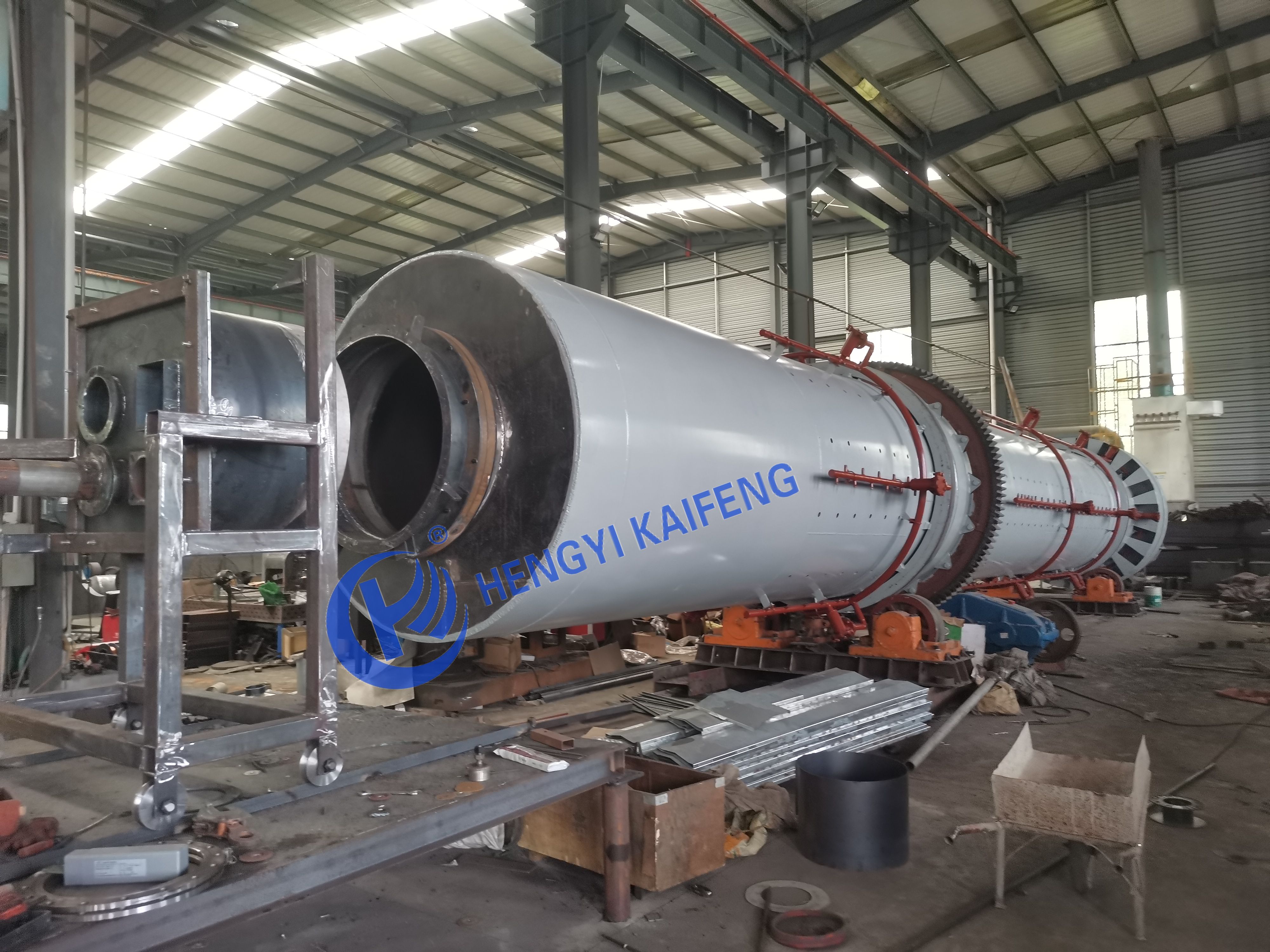
The machinery typically consists of several essential components. A carbonization furnace is used for the initial conversion of coconut shells into carbon. It is designed to withstand high temperatures and provide a uniform heating environment. The activation reactor is another crucial part, where the activation process takes place. It has a system for introducing the activating agent, whether it's steam or chemicals, and ensuring proper mixing and reaction.
There are also conveyor systems to transport the coconut shells and the intermediate products between different stages. Cooling systems are installed to bring down the temperature of the activated carbon after the activation process. Additionally, advanced control panels are incorporated to monitor and adjust parameters such as temperature, pressure, and processing time.
Benefits of Using Coconut Shell Activated Carbon Machinery
From an environmental perspective, utilizing coconut shell activated carbon machinery promotes the recycling and utilization of a natural waste product - coconut shells. It reduces the need for disposal and helps in conserving the environment. Economically, it enables the production of a high-value activated carbon product that has a significant market demand. Industries such as water treatment, food and beverage, pharmaceuticals, and chemical manufacturing can benefit from having a reliable source of quality activated carbon.
Moreover, the machinery allows for customization of the activated carbon production. Different activation levels and characteristics can be achieved to meet specific application requirements. This flexibility gives manufacturers a competitive edge in the market.
Challenges and Considerations
However, operating coconut shell activated carbon machinery also comes with certain challenges. The proper sourcing of high-quality coconut shells is crucial. The shells should be free from contaminants and have the right composition for optimal carbon production. Energy consumption is another factor to consider. The high-temperature processes require a significant amount of energy, and efforts should be made to optimize energy usage and explore renewable energy sources.
Maintenance of the machinery is also essential to ensure its continuous and efficient operation. Regular inspections, cleaning, and replacement of worn-out parts are necessary. Additionally, compliance with environmental and safety regulations is a must, as the production process may involve the handling of chemicals and high-temperature operations.
In conclusion, coconut shell activated carbon machinery plays a vital role in the production of a valuable material with diverse applications. By understanding its working principles, components, benefits, and challenges, manufacturers and investors can make informed decisions in this field. As technology continues to advance, we can expect further improvements in the efficiency and sustainability of these machines, leading to even greater contributions to environmental protection and industrial development.