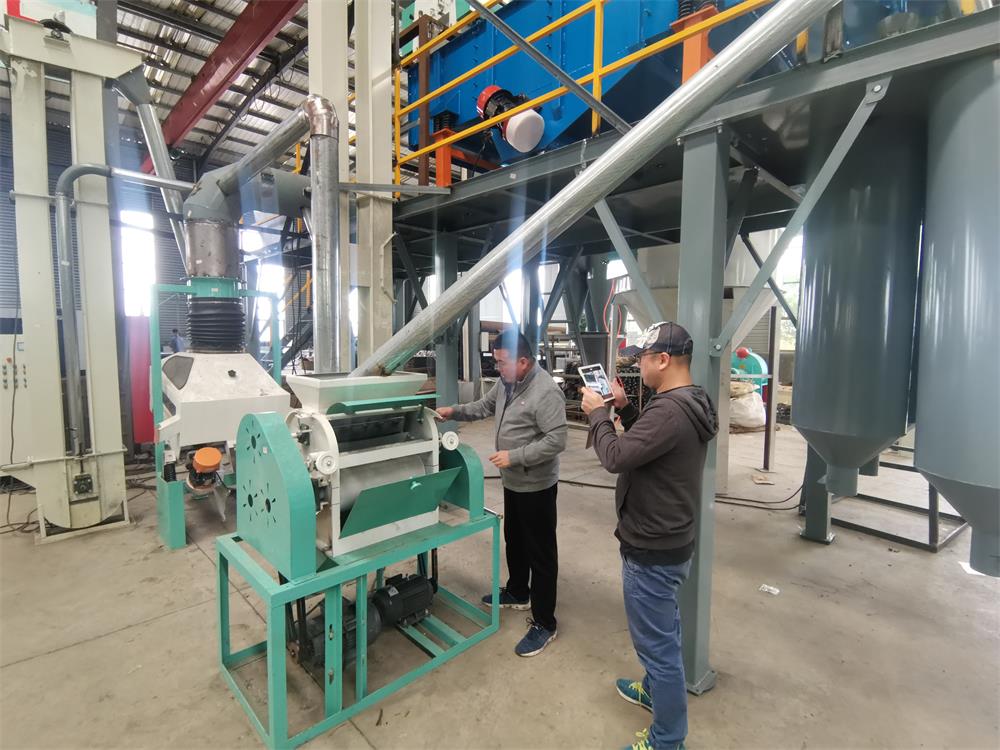
In today's environmentally conscious world, activated carbon has become an essential tool for purifying air and water. But have you ever wondered about the equipment behind the production of this miracle material? In this blog post, we'll take a deep dive into activated carbon production equipment and explore its importance in meeting the growing demand for clean air and water.
What is Activated Carbon?
Activated carbon is a highly porous material with a large surface area, making it extremely effective at adsorbing impurities. It is produced by heating carbonaceous materials such as coal, wood, or coconut shells in the absence of oxygen, a process known as activation. The resulting activated carbon can be used in a wide range of applications, including air and water purification, industrial processes, and even in medical and food industries.
The Importance of Activated Carbon Production Equipment
The quality and efficiency of activated carbon production depend largely on the equipment used. High-quality production equipment can ensure consistent product quality, increased production capacity, and reduced production costs. Here are some of the key reasons why activated carbon production equipment is so important:
Consistent Product Quality: Activated carbon production equipment is designed to precisely control the activation process, ensuring that the resulting product meets the required specifications. This includes controlling factors such as temperature, pressure, and activation time, which can have a significant impact on the quality of the activated carbon.
Increased Production Capacity: Modern activated carbon production equipment is capable of producing large quantities of activated carbon in a short period of time. This is essential for meeting the growing demand for activated carbon in various industries.
Reduced Production Costs: Efficient production equipment can help reduce production costs by minimizing waste, optimizing energy consumption, and reducing labor requirements. This can make activated carbon more affordable and accessible, which is crucial for its widespread use in environmental remediation and other applications.
Types of Activated Carbon Production Equipment
There are several types of activated carbon production equipment available, each with its own unique features and advantages. Some of the most common types include:
Rotary Kilns: Rotary kilns are one of the most widely used types of activated carbon production equipment. They consist of a long, cylindrical drum that rotates slowly while being heated from the outside. The raw material is fed into one end of the kiln and is gradually heated and activated as it moves through the drum. Rotary kilns are capable of producing large quantities of activated carbon and are suitable for a wide range of raw materials.
Fluidized Bed Reactors: Fluidized bed reactors are another popular type of activated carbon production equipment. They work by suspending the raw material in a stream of hot gas, which causes the material to fluidize and react more efficiently. Fluidized bed reactors are known for their high production rates and excellent product quality, but they can be more complex and expensive than other types of equipment.
Microwave Activation Systems: Microwave activation systems are a relatively new technology in the field of activated carbon production. They use microwave energy to heat and activate the raw material, resulting in a faster and more energy-efficient activation process. Microwave activation systems are also capable of producing activated carbon with unique properties that may be beneficial for certain applications.
Choosing the Right Activated Carbon Production Equipment
When choosing activated carbon production equipment, it's important to consider several factors, including the type of raw material, production capacity requirements, product quality specifications, and budget. Here are some tips to help you choose the right equipment for your needs:
Evaluate Your Raw Material: Different types of activated carbon production equipment are suitable for different raw materials. For example, rotary kilns are often used for coal and wood-based raw materials, while fluidized bed reactors may be better suited for coconut shells or other biomass materials. Consider the characteristics of your raw material and choose equipment that is designed to handle it effectively.
Determine Your Production Capacity Requirements: Consider your expected production volume and choose equipment that can meet your needs. If you have a large production capacity requirement, a rotary kiln or fluidized bed reactor may be a better choice. However, if you have a smaller production volume, a microwave activation system or other smaller-scale equipment may be more suitable.
Set Product Quality Specifications: Determine the quality specifications of the activated carbon you need to produc