

Activated Carbon Production Line: A Comprehensive Overview
In the modern industrial landscape, the activated carbon production line has become a crucial element, especially considering the growing need for effective purification and filtration solutions. This blog will take you through the ins and outs of the activated carbon production line, shedding light on its processes, components, and significance.
The Significance of Activated Carbon
Activated carbon is a highly porous material with an extensive surface area, which gives it remarkable adsorption properties. It is widely used in various industries such as water treatment, air purification, food and beverage, pharmaceuticals, and chemical manufacturing. In water treatment, it can remove heavy metals, organic pollutants, and chlorine, making water safer for consumption and industrial use. For air purification, it traps harmful gases, odors, and particulate matter, enhancing indoor air quality. The activated carbon production line is the gateway to producing this versatile and essential material.
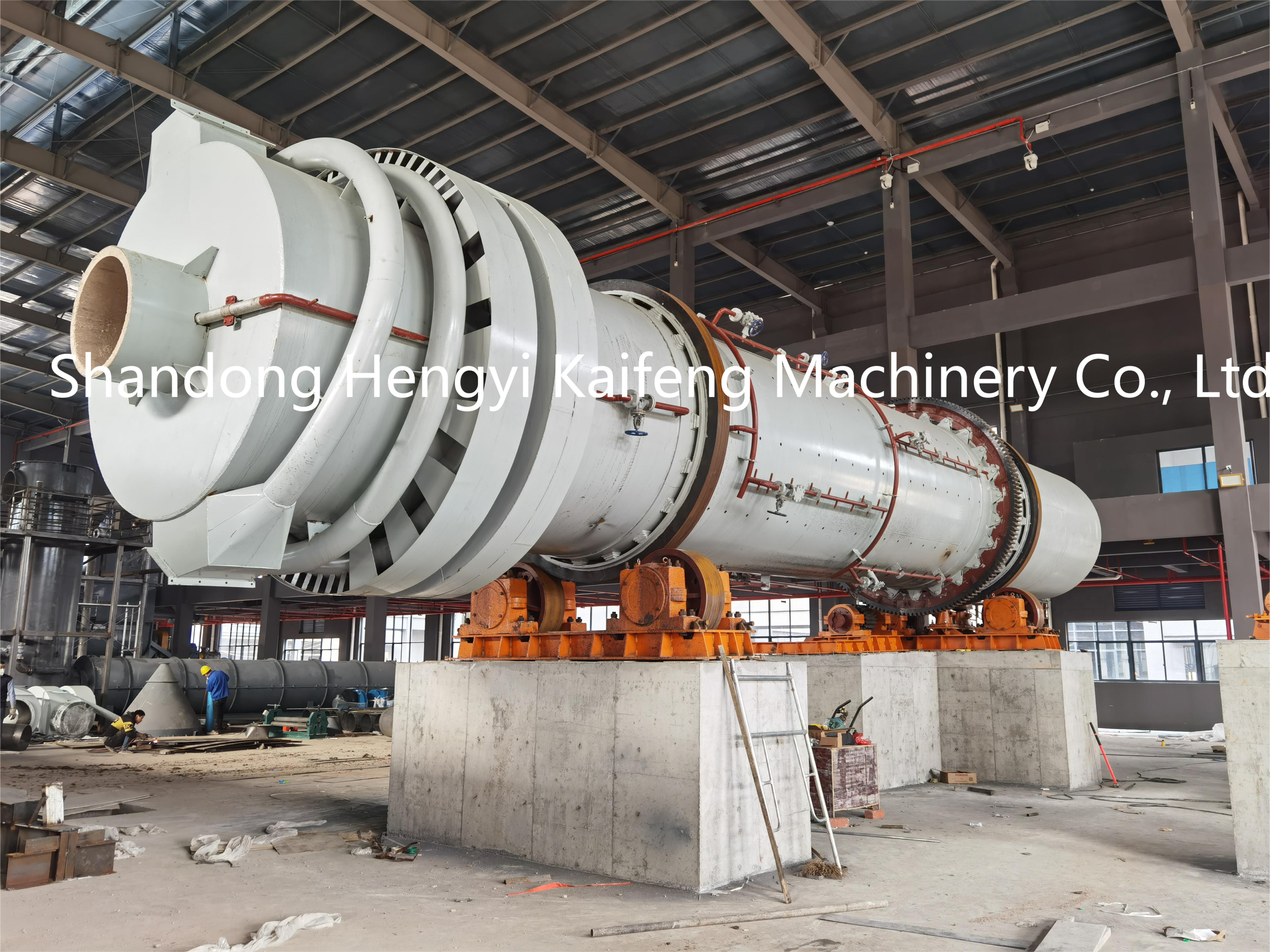
The Key Processes in an Activated Carbon Production Line
1. Raw Material Preparation: The production line starts with the careful selection and preparation of raw materials. Common raw materials include coconut shells, coal, wood, and peat. These materials are first cleaned to remove impurities and then crushed or ground into a suitable size. For example, coconut shells are typically crushed into small pieces to ensure uniform processing in the subsequent steps.
2. Carbonization: The prepared raw material is then subjected to carbonization. This process takes place in a carbonization furnace or kiln, where the material is heated to a high temperature (usually between 400°C to 900°C) in an oxygen-limited environment. The heat causes the volatile components in the raw material to be driven off, leaving behind a carbon-rich char. This char is the precursor to activated carbon and has a basic carbon structure with some porosity.
3. Activation: The carbonized char is further processed through activation. There are two main methods of activation: physical activation and chemical activation. In physical activation, the char is exposed to an oxidizing agent like steam or carbon dioxide at a high temperature (around 800°C to 1000°C). This process creates more pores and increases the surface area of the carbon. Chemical activation, on the other hand, involves treating the char with a chemical reagent such as zinc chloride or phosphoric acid. After activation, the activated carbon is washed thoroughly to remove any residual chemicals or impurities.
4. Post-Treatment and Packaging: The final activated carbon product may undergo additional post-treatment processes such as drying to reduce moisture content and sieving to achieve a specific particle size distribution. Once the quality is ensured, the activated carbon is packaged in suitable containers, ready for distribution and use.
Components of an Activated Carbon Production Line
1. Crushing and Grinding Equipment: These machines are used to break down the raw materials into the desired particle size. Jaw crushers, hammer crushers, and ball mills are commonly employed for this purpose.
2. Carbonization Furnace/Kiln: A specialized furnace or kiln is required for the carbonization process. It should be able to maintain a controlled temperature and oxygen-limited environment. Rotary kilns are popular for their continuous operation and efficient heat transfer.
3. Activation Reactor: For the activation process, a reactor is needed. It must be designed to handle the specific activation method, whether it's physical or chemical activation. It should also have proper temperature and pressure control systems.
4. Washing and Drying Equipment: After activation, washing tanks and drying ovens are used to clean and dry the activated carbon. Centrifuges can be used for efficient separation of the washing liquid from the carbon.
5. Sieving and Packaging Machines: Sieves of different mesh sizes are used to sort the activated carbon according to particle size. Packaging machines then pack the final product into bags, drums, or other containers as per market requirements.
Benefits of a Well-Designed Activated Carbon Production Line
1. High-Quality Product: A properly configured production line ensures consistent production of high-quality activated carbon with the desired adsorption properties. This is crucial for meeting the strict quality requirements of various industries.
2. Efficient Production: The line is designed for efficient operation, minimizing production time and maximizing output. This helps in reducing production costs and increasing profitability.
3. Resource Utilization: By using a variety of raw materials, the production line promotes the utilization of waste or renewable resources. For example, coconut shells, which are a by-product of the coconut industry, can be transformed into a valuable activated carbon product.
4. Environmental Impact: Activated carbon is used in many environmental remediation applications. A reliable production line ensures a steady supply of activated carbon for water and air purification, contributing to a cleaner environment.
Challenges and Considerations in Activated Carbon Production Line Operation
1. Energy Consumption: The carbonization and activation processes require significant amounts of energy. Optimizing energy usage and exploring renewable energy sources are essential to reduce operating costs and environmental impact.
2. Waste Management: The production process generates waste, such as ash from carbonization and washing effluents. Proper waste management and treatment are necessary to comply with environmental regulations.
3. Raw Material Quality and Supply: The quality and availability of raw materials can vary. Ensuring a stable supply of high-quality raw materials and developing strategies to handle fluctuations in supply is a continuous challenge.
4. Technological Upgrades: The field of activated carbon production is constantly evolving. Keeping up with the latest technological advancements and upgrading the production line to improve efficiency and product quality is an ongoing task.
In conclusion, the activated carbon production line is a complex and vital industrial setup. It plays a significant role in producing a material that is essential for multiple industries and environmental protection. By understanding its processes, components, benefits, and challenges, manufacturers and stakeholders can make informed decisions to optimize production and contribute to a sustainable future.