

Unlocking the Potential of Activated Carbon Rotary Kiln
In the world of industrial manufacturing and environmental solutions, the activated carbon rotary kiln has emerged as a game-changer. This remarkable piece of machinery is at the forefront of producing high-quality activated carbon, which is essential for a wide range of applications.
The Core Purpose of Activated Carbon Rotary Kiln
Activated carbon is renowned for its superior adsorption capabilities. It is used in water purification to remove harmful contaminants like heavy metals, pesticides, and organic pollutants. In air filtration systems, it traps volatile organic compounds (VOCs), odors, and particulate matter, ensuring cleaner and healthier air. The activated carbon rotary kiln is the key to unlocking these adsorption powers. It transforms raw materials, such as coconut shells, coal, or wood, into activated carbon with a highly porous structure and large surface area.
The Working Mechanism Inside the Rotary Kiln
The process within the activated carbon rotary kiln is a carefully choreographed sequence. First, the selected raw material is fed into the rotating drum of the kiln. As the kiln rotates, the material moves slowly from one end to the other. Simultaneously, heat is applied. The temperature inside the kiln can reach several hundred degrees Celsius. This high heat initiates the carbonization process, where volatile components are driven off from the raw material, leaving behind a carbon-rich residue.
Following carbonization, an activation step takes place. This can be achieved through various methods, such as introducing steam or chemical agents. The activation process further develops the porosity of the carbon, creating a network of microscopic pores that enhance its adsorption capacity. The rotary motion of the kiln ensures uniform heating and treatment of the material, resulting in consistent quality of the activated carbon produced.
Notable Features and Components of the Rotary Kiln
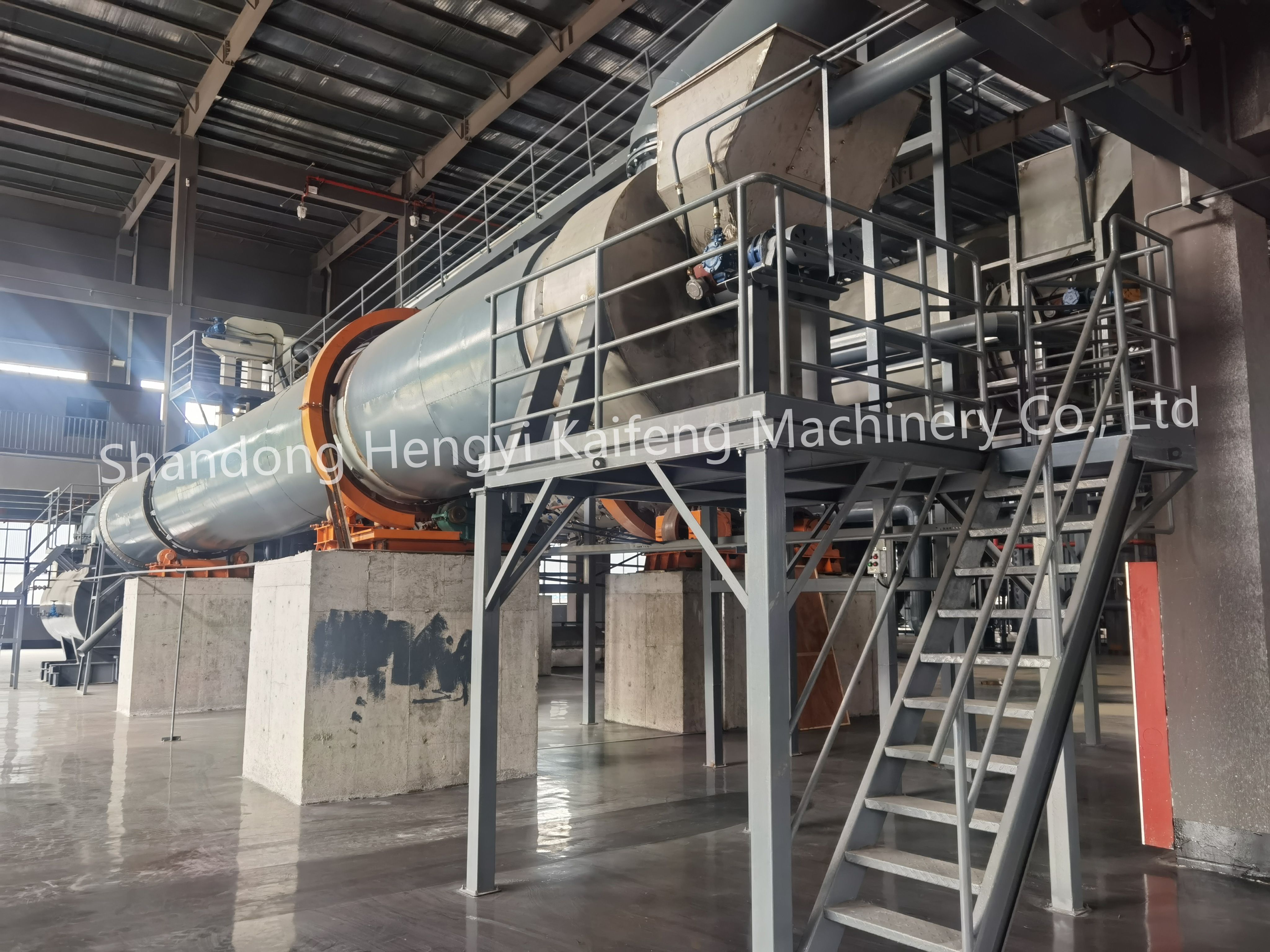
The rotary kiln itself is a cylindrical structure made of durable materials that can withstand high temperatures and the abrasive nature of the raw materials. It is mounted on rollers, allowing for smooth rotation. The heating system is a crucial component. It can be fueled by gas, oil, or electricity, depending on the specific requirements and availability. Temperature sensors are strategically placed throughout the kiln to monitor and control the heating process precisely.
There is also a feeding mechanism at the inlet end to ensure a continuous and controlled supply of raw materials. At the outlet end, a cooling system is in place to bring down the temperature of the freshly produced activated carbon. Additionally, a ventilation and gas treatment system is essential to manage the emissions and by-products generated during the carbonization and activation processes.
Advantages of Employing an Activated Carbon Rotary Kiln
From an economic standpoint, the rotary kiln enables efficient large-scale production of activated carbon. It reduces the cost per unit of production compared to some other methods. This makes it more accessible for industries to utilize activated carbon in their processes. Environmentally, it offers a sustainable solution by converting waste or renewable raw materials into a valuable product. For example, coconut shells, which are often a by-product of the coconut industry, can be transformed into activated carbon, reducing waste and promoting resource utilization.
Moreover, the quality of the activated carbon produced by a rotary kiln is highly consistent. This is crucial for industries that rely on the predictable performance of activated carbon in their purification and filtration systems.
Challenges and Considerations in Rotary Kiln Operation
One of the main challenges is energy consumption. The high temperatures required for carbonization and activation demand a significant amount of energy. Efforts need to be made to optimize the energy efficiency of the kiln, such as through better insulation or the use of waste heat recovery systems. Another consideration is the proper handling of emissions. The gases released during the process may contain pollutants, and compliance with environmental regulations regarding their treatment and release is essential.
Maintenance of the rotary kiln is also a critical aspect. The rotating parts, heating elements, and lining of the kiln are subject to wear and tear and require regular inspection and replacement. Additionally, the quality control of the raw materials is vital. Variations in the composition and quality of the raw materials can affect the final quality of the activated carbon.
In conclusion, the activated carbon rotary kiln is a vital asset in the production of activated carbon. Its ability to transform raw materials into a highly effective adsorbent has far-reaching implications for industries and the environment. As technology advances, we can anticipate continuous improvements in rotary kiln design and operation, leading to more efficient, sustainable, and cost-effective production of activated carbon.